
How to Use a Tree Nut Identification Guide: Step-by-Step Instructions
If you have ever been hiking, foraging or just walking in the woods and come across an unfamiliar tree nut, you may have found yourself wondering how to identify it. Fortunately, there are many excellent tree nut identification guides available that can help you determine what type of nuts you are looking at.
Here are step-by-step instructions on how to use a tree nut identification guide:
Step 1: Gather Information
Before diving into your tree nut identification guide, take a moment to gather some information about the nuts you are trying to identify. The more data points you can collect, the easier it will be to pin down exactly what kind of nuts you have found.
Collect data like-
– Size and shape of the nut
– Color and texture of both the outer shell and inner kernel
– Any distinct markings on either the shell or kernel
– What type of leaves or bark is present in the area where you found the nuts (if possible).
Step 2: Consult A Guide
Once all your data is collected now its time to move onto exploring potential options with your guide. There are several types of books available for identifying edible plants including trees such as field guides which will give basic overviews for most popular types while more detailed reserved for hardcore naturalists focusing only on specific geographical regions showing hard-to-spot differences between similar species.
Most paper books eventually get outdated so we would suggest online tools readily available by simply Google out “Tree Nut Identification Guide”. These tools have regularly updated genuine information with filtered search options based on taste preference color, appearance etc.
Step 3: Compare Features
Compare collected detail with features mentioned in book and slowly narrow down towards correct classification.Remember not always two same-looking Nuts belongs from similar Families they might differ due to weather conditions , Soil , Minerals present etc.So be careful while Judging.
Step 4: Cross Verify
After Identifying a Potential Match cross verify again with other related sources, to double check what you have found is actually what it looks like.This helps in increasing the accuracy of identification.
Step 5: Make Sure It’s Edible
Once Identified make sure that its edible or not Many tree nuts are poisonous and can cause extreme reactions if ingested.Most of the Nutshells contain chemicals that can cause skin irritation so beginners should take care.Refer to caution section in guide which usually alerts on harmful edibility status.
By following these steps, you can quickly and accurately identify any type of tree nut you come across while out exploring. Not only will this give you a better understanding of the natural world around you, but it could also help protect you from accidentally eating something dangerous or potentially lethal. So stay curious, keep exploring,and don’t forget to brush up on your tree nut identification every once in a while!
Top Five Key Facts About Tree Nut Identification Guides
Tree nut identification guides are an essential tool for those with allergies, but they can also be useful for anyone who wants to learn more about different types of nuts. These guides provide information on the appearance, taste, and texture of various tree nuts.
In this article, we’ll share the top five key facts you need to know about tree nut identification guides:
1. There are different types of tree nut identification guides available.
Tree nut identification guides come in a variety of formats, including posters, books, and online resources. Some resources are specific to one type of tree nut (such as almonds or walnuts), while others cover a range of nuts.
2. Plant anatomy is an important factor in identifying tree nuts.
Identifying tree nuts requires an understanding of plant anatomy. Knowledge of the physical properties and characteristics that distinguish one type of fruit from another is useful when using these guides. Knowing how a particular species appears when harvested from its parent plant can ultimately help confirm its identity as either edible or not.
3. Understanding the appearance of a nut is critical to proper identification
Most experienced botanists use visual cues such as color and shape to identify trees in general and tree nuts specifically. Texture can also play a crucial role; the surface texture will vary between species which could indicate if it falls under one category (edible) versus another (toxic).
4. Descriptions are usually supplemented by photographs or illustrations
Tree nut identification guides often include photographs or illustrations to supplement written descriptions. These images serve as visual confirmation that what you’re identifying matches what’s described in the text.
5. Nutritional value may also be included within an identification guide
Some identification guides also include additional information beyond simply identifying whether or not the identified item is indeed a “nut” meant for consumption like details regarding nutritional content such as calories and fat content within each serving size which could prove vital for those watching their health intake levels
Tree nut identification guides are an integral part of learning more about different nuts and ensuring that those with allergies avoid dangerous encounters. Whether you’re interested in distinguishing between almonds, walnuts or other types of tree nuts or concerned with their nutritional content when added to varying dishes; consider consulting a reliable resource list providing the necessary knowledge!
Frequently Asked Questions About Tree Nut Identification Guides
Tree nut identification guides are essential tools for individuals with nut allergies, botanists, ecologists, and anyone interested in identifying different types of nuts. However, the concept of tree nut identification guides can be a bit overwhelming for those who are new to this topic. In this blog post, we will cover some frequently asked questions about tree nut identification guides to help you better understand their purpose and use.
1. What is a Tree Nut Identification Guide?
A tree nut identification guide is a tool or resource that helps identify different types of nuts that grow on trees. These guides usually include detailed information about each type of tree nut, such as its appearance, taste, texture, nutritional value, and potential allergenic properties. They can come in various forms such as books, online resources or mobile apps.
2. How Can I Use a Tree Nut Identification Guide?
Tree nut identification guides can be used for various purposes such as educational purposes or personal safety reasons – especially for individuals with food allergies.
For example:
– Botanists and nature enthusiasts may use these guides to learn more about the different species of trees that produce nuts.
– Parents or caregivers of children with allergies may use them to recognize which nuts their child should avoid.
– Food manufacturers could also benefit from using these resources to properly label packaged foods that contain nuts.
3. Are All Tree Nut Identification Guides Accurate?
Like any other tool or resource used for identification purposes, it’s important to ensure your sources are reliable and up-to-date when picking a tree nut identification guide.
One way you can verify the credibility of your resource is by checking if it has been endorsed by recognized nutrition organizations or scientific experts involved in food research.
4. Can I Identify Nuts Without an Identification Guide?
While it might be possible to identify some more commonly found tree nuts without external assistance (such as peanuts) there are tens of thousands specie variations within the family just like hazelnuts, almonds, cashews and walnuts – that require a professional guidance as well.
5. Can I Use a Tree Nut Identification Guide to Determine Allergenic Potential?
While many tree nut identification guides provide information about the potential allergenic properties of certain nuts, not all of them do. Additionally, it’s essential to keep in mind that allergic reactions may vary from person to person and can also be influenced bay the way the nuts are prepared or processed. Therefore , we highly recommend consulting healthcare professionals before consuming a new food item if you have concerns regarding allergens.
In conclusion, tree nut identification guides can be an excellent resource for individuals looking to learn more about different species of nuts found in trees or for those seeking educational resources on botany and ecology. Furthermore, this tool can prove important for anyone with food allergies to recognize and avoid highly sensitizing ingredients while consuming safe and nutritious options suitable for their health conditions at the same time. It’s essential to use updated sources when picking out your guidebooks to ensure you’re getting accurate information on nutritional values or other attributes specified by your needs.
The Ultimate Tree Nut Identification Guide: A Comprehensive Resource
As the world becomes more and more focused towards natural living, many people are turning towards nut trees to provide sustenance in their daily diet. The popularity of tree nuts is increasing day by day as their health benefits cannot be overstated. Whether it is almonds, cashews or pistachios, tree nuts are becoming a staple food item for millions of people worldwide.
Despite the growing interest in tree nuts, identifying different varieties can pose quite a challenge for both seasoned experts and novices alike. With so many different kinds of nuts out there to choose from, even experienced botanists can find themselves struggling to identify certain species.
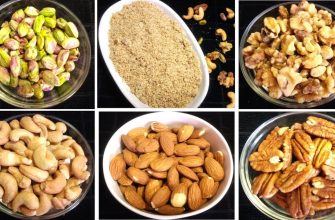
To help simplify things, we have put together “The Ultimate Tree Nut Identification Guide”. This comprehensive resource has been designed to make it easy for you to quickly distinguish between the different types of tree nuts found across the world.
Almonds
First on our list are Almonds – these popular nuts originated in the Middle East and are now widely grown throughout California due to its ideal climate conditions. These small oval-shaped fruits have brownish-grey shells that protect a tasty edible kernel inside. They’re packed full of vitamins and minerals which makes them excellent for snacking on throughout your day!
Hazelnuts
Another popular nut on our list is Hazelnuts (also known as filberts). Native to Europe and Asia Minor these nuts are easily identifiable by their thin outer-shell that’s surrounded in bristly husks. Their delicious crunchy texture makes them perfect for baking while also providing an excellent source of protein!
Cashews
Cashews originated in Brazil but today they can be found all around the globe- particularly used in desserts because of their creamy flavour and texture when roasted! Cashew trees produce kidney shaped fruit kernels that grow outside with poisonous shells; this requires some intense processing before being consumed.
Pecans
Pecans are native to North America which was cultivated since ancient times by Native Americans. They have a hard brownish shell with a sweet and oily edible kernel inside that’s often used in candy or pie recipes. Pecans are the perfect snack for anyone looking to add some extra nutrition into their day!
Pistachios
And last but not least, we have Pistachios; these tiny green nuts packed with goodness originated from Central Asia and are now found growing all around the globe. Pistachios have a unique salty taste which makes them ideal for snacking as well as adding to salads, pestos, and other dishes.
So there you have it folks!- The Ultimate Tree Nut Identification Guide: A Comprehensive Resource designed to make identifying tree nuts much easier and fun-. So next time when planning your tasty nutty meal or just trying out things or even possibly impressing someone at the bar table talk about such nuts- you will know exactly what you’re dealing with!
Identifying Edible vs Inedible Tree Nuts: Tips and Tricks
Tree nuts are a delicious and versatile ingredient in many recipes. From adding crunch to salads, to topping off baked goods, tree nuts offer a burst of flavor and nutrition that is hard to beat. However, not all tree nuts are created equal – some are edible and some are decidedly not.
For those with nut allergies or simply foraging enthusiasts, identifying which tree nuts are safe to consume can be tricky at first. But fear not! With a few simple tips and tricks, you too can learn how to differentiate between edible vs inedible tree nuts.
First things first: what exactly is a “tree nut”? The term refers to any nut that grows on trees including almonds, cashews, walnuts, pecans, hazelnuts, etc. Some common non-tree nuts include peanuts (which actually grow underground) and chestnuts.
One way to begin discerning edible vs inedible tree nuts is by examining their husks or shells. Edible tree nuts typically have thin shells that crack open easily when pressure is applied. Inedible ones often have thicker shells that require tools or machinery to break through.
Another clue lies in the taste of the nut itself. Most edible tree nuts have a mild or slightly sweet taste with pleasant earthy undertones. If the nut has a bitter or sour taste or leaves an unpleasant aftertaste in your mouth, it’s likely not safe for consumption.
It’s also important to note that some tree nuts require processing before they can be eaten safely. For example, raw cashews contain urushiol which is toxic if ingested; therefore they must be roasted (or boiled) beforehand in order to remove this harmful substance.
If you’re still unsure about whether a particular type of tree nut is safe for eating, do your research ahead of time and consult trustworthy resources such as gardening websites or local botanists/experts who specialize in trees.
In conclusion: while there are many delicious and nutritious tree nuts out there, it’s important to exercise caution when it comes to identifying edible vs inedible varieties. By paying attention to factors like husk thickness and taste, and by doing your research ahead of time, you can safely enjoy the bounty of these tasty treats while avoiding any potentially harmful surprises. Happy nut hunting!
How a Tree Nut Identification Guide Can Impact Your Health and Lifestyle
As someone who follows a strict diet, it can be incredibly frustrating to come across food that you cannot eat due to nut allergies or intolerance. Eating out becomes stressful, as one wrong ingredient can cause severe reactions and potentially ruin your entire day. This is where a tree nut identification guide comes in handy.
A reliable tree nut identification guide familiarizes you with different types of nuts, including those ranging from their appearance, taste, nutritional value and even potential health risks. By having this knowledge at hand, not only are you able to identify what nuts to avoid, but you can also experiment with new ones within your diet.
Taking into account the most common tree nuts such as Cashews, Walnuts and Pecans; these foods have incredibly high nutritional values making them desirable for snacking on the go or as a tasty addition in various recipes. But for some individuals with tree nut allergies or intolerances consuming any of these could lead to considerable adverse health consequences.
Accordingly having access to a reference material like a Tree Nut Identification Guide not only helps mitigate health implications but it also allows you more freedom when selecting grocery items while optimizing your nutrition intake – this includes going beyond just simple snacks! For example many vegan protein sources available are heavily relied on nuts being introduced far beyond traditional meals like granolas.; high in essential amino acids they offer an easy way to supplement athletes diets positively influencing bone growth and cardiovascular health.
Being alert of ingredients especially if one has specific dietary preferences isn’t just required for allergy reasons; there are studies that report incorporating certain types of nuts like almonds or macadamias might aid inching closer towards critical life changes such as weight-loss or hair treatment!
In conclusion researching and utilizing a comprehensive Tree Nut Identification Guide unlocks several options and information varying from potential health risks all the way toe culinary inspiration- so take that step today in allowing yourself to create inclusive snack bowls opening up baskets filled with wider alternatives without compromising your circumstances!


![Unlocking the Mystery of Black Gorilla Lug Nuts: A Story of Strength and Style [5 Essential Tips for Choosing the Best Lug Nuts]](https://baru-nuts.com/wp-content/uploads/2023/04/21-335x220.jpg)
![Rev Up Your Ride: The Ultimate Guide to Black Chrome Lug Nuts [Solve Your Wheel Woes with Expert Tips and Stats]](https://baru-nuts.com/wp-content/uploads/2023/04/22-335x220.webp)
![Binky Goes Nuts: A Tale of a Mischievous Pet and How to Keep Them Calm [Expert Tips and Stats]](https://baru-nuts.com/wp-content/uploads/2023/04/23-335x220.jpg)