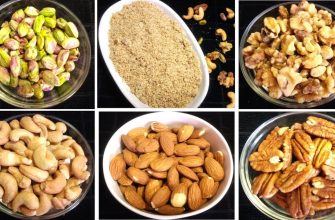

Introduction to Eating Nuts on a Regular Basis
Eating nuts on a regular basis is one of the best things you can do for your health. Not only are they a great source of plant-based protein, but they are also full of healthy fats, minerals and vitamins that can help promote overall wellbeing. Eating nuts every day has even been linked to reducing your risk of heart disease and stroke. Whether you choose almonds, cashews, walnuts or pistachios, a handful of these crunchy treats are sure to set you up with the energy you need for the day – without it crashing later on in the afternoon!
Nuts have long been known for their many health benefits, including helping to prevent cancer and lower cholesterol levels. They contain thousands of beneficial compounds that our bodies need, such as polyphenols to help reduce inflammation as well as omega-3 fatty acids which can help improve brain function. Nuts are also full of fiber so they will keep you feeling satisfied longer after eating them. Plus, since most nuts provide complete sources of protein – meaning all eight essential amino acids – snacking on them regularly will increase your overall protein intake – ideal if you’re following a vegetarian or vegan lifestyle.
While nuts should be enjoyed in moderation due to their high fat content (which means they’ll add extra calories), adding them into your daily diet is still an excellent option when trying to stay healthy and nutritionally balanced. They make an excellent snack any time during the day – pair some raw unsalted cashews or almonds with fresh fruit slices for something sweet and savory right before bedtime or top off an early morning smoothie bowl with some chopped walnuts and ground cardamom for a breakfast boost!
By introducing these little nutritional powerhouses into your meals (or snacks!), not only will you get more flavor per bite but furthermore, you’ll reap many amazing nutritional benefits from doing so such as boosted immunity; improved digestion; increased energy levels; better
Nutritional Benefits of Eating Nuts
Nuts are a versatile and nutritious snack packed with important vitamins, minerals, and other healthy benefits. Eating nuts regularly can be a great way to enhance your overall health and promote optimal wellbeing. Here we will take a look at some of the nutritional benefits of eating nuts and how they can be incorporated into your daily diet.
The nutrients you get from consuming nuts depends on the specific type of nut being eaten, however most provide essential vitamins like folate, magnesium, potassium, antioxidants such as polyphenols, healthy fats in the form of monounsaturated fatty acids or MUFAs as well as dietary fiber. This combination of essential vitamins, proteins, minerals and healthy fats makes consuming nuts an ideal way to get the nutrients you need for sustained energy levels throughout the day.
Nuts are low in both carbohydrates and sugars so they make for an excellent snack option for those looking to keep their blood sugar levels steady without having to resort to processed snack foods high in saturated fats or refined carbohydrates. Nuts also contain high levels of arginine which is an amino acid that helps reduce inflammation by producing nitric oxide which naturally relaxes blood vessels to reduce arterial stiffness associated with cardiovascular disease risk factors such as high blood pressure.
Nuts are also full of bioactive components like phytosterols that help promote lower cholesterol levels in addition to helping reduce cancer risks down the line due to their rich plant-based nutrient profile full of beneficial antioxidants that fight free radicals within the body. Their fiber content is known to lead to better digestion while also reducing appetite signals between meals leading individuals towards a more structured meal pattern during the day leading itself towards improved weight management over time.
Overall there are many different types of nuts available in grocery stores each offering unique nutrient profiles along with similar general benefits as outlined above making nuts one of the most nutritious snack options available providing essential fuel for sustained energy levels throughout the day without significant bloat or unhealthy fat intakes associated with
How to Incorporate Nuts into Your Diet
Nuts are a powerhouse for nutrition with offerings of protein, healthy fats, Vitamin E, B vitamins, zinc and magnesium. Working nuts into your daily diet can provide major benefits to your physical health and emotional wellbeing. Here is how you can incorporate more nuts into your diet:
1. Add Nuts as a Snack – An excellent way to add more nuts to your daily routine is by bringing them along as snacks on busy days or in between meals when hunger strikes. Examples of some easily transportable nut selections are almonds, walnuts, sunflower seeds, cashews or pistachios. If you find yourself desiring something sweet to go along with the nut selection, try adding dried fruits such as cranberries and raisins. The combination will be sure to satisfy!
2. Supplement Breakfast – Many of us are rushing off our feet in the mornings making breakfast all too often an afterthought. Start each day off right by including some nuts during breakfast time – whether it’s sprinkling walnuts onto oatmeal or stirring slivered almonds into yogurt; starting the day with a small dose of Kola gets things rolling in the right direction!
3. Salads Saviour – Salad dressings are notorious for being calorie-dense yet nutrient lacking so why not use different types of crushed nuts instead? Adding things like walnuts or pecans over leafy greens adds loads of flavorful crunch plus lots beneficial minerals and vitamins not found elsewhere in the meal choice.
4 Get Nutty With Desserts– Most desserts tend not to be top-notch contributors to overall health but that does not mean options do not exist of incorporating nutty pleasure at the end of meals! Opting for no=butter or oil based recipes utilizing almond meal rather than flour instills sweetness with added nutritional boost from almonds such as calcium and magnesium naturally occurring within them. Delicious treats include one bowl brownies using almond meal as well as
Frequently Asked Questions About Eating Nuts
We all know that eating nuts is a great way to stay healthy, but it can be hard to know which types of nuts are the best for your diet. In this blog post, we’ll explore some of the most frequently asked questions about eating nuts, so you can make more informed decisions about what goes into your body.
1. How many servings should I have each day?
The World Health Organization recommends enjoying 30g of mixed nuts, such as walnuts and almonds, daily for optimal health benefits. However, this recommendation may vary depending on how active or inactive you are and if you have any other dietary restrictions or allergies. It’s always important to talk with your doctor or nutritionist to find out what is right for you!
2. Are there benefits to consuming raw versus roasted nut?
Both raw and roasted nuts offer up great health benefits, but in different ways. Raw nuts contain higher levels of essential vitamins and minerals such as folate and vitamin E; while roasted nuts tend to deliver greater amounts of heart-healthy fats including omega-3 fatty acids. So if you’re trying to decide between raw or roasted – why not try both?
3. What types of nuts should I add into my diet?
There are so many different kinds of delicious and nutritious nuts that it can be hard to decide which ones are the best for you! Some healthier options include almonds (high in fiber & magnesium), cashews (low glycemic index & good source of iron), pistachios (rich in antioxidants), walnuts (omega-3 fatty acids) , Brazil Nuts (Source for selenium). Ultimately it comes down to personal preference – choose whichever ones sounds tastiest!
4. Is snacking on raw nuts bad for weight gain?
Snacking on unsalted, unroasted raw mental can actually help combat against weight gain due to their high protein content and
Top 5 Facts About Eating Nuts
Eating nuts can be a nutritious part of a balanced diet. Here are the top 5 facts about eating nuts that you should know:
1. Nuts are a great source of healthy fats, proteins, and fiber. They contain beneficial polyunsaturated fatty acids (PUFAs), like omega-3 fatty acids, which may help to reduce heart disease risk when consumed as part of a healthy diet. Additionally, they’re packed with vitamins and minerals that are essential for good health.
2. Eating a handful of nuts daily has been linked with several health benefits including improved cholesterol levels and a lower risk for some chronic diseases. For example, research suggests that people who consume more walnuts may have better cardiovascular health than those who don’t eat them at all.
3. When used properly in moderation as part of a sensible diet or an overall healthy lifestyle program, including exercise, eating nuts can actually help people lose weight instead of gain it. A recent study shows that adding an ounce or two of raw or dry roasted nuts to your breakfast every day can lead to modest yet steady weight loss over time without having to make drastic changes in dietary habits or exercise routine..
4. It’s possible to enjoy tasty snacks while still getting the nutrition you need from published research available today—and eating nuts is one way to do that! Adding trail mix featuring any type of nut makes for an excellent alternative snack food since it contains protein from various types (e.g., almonds), fiber from fruits (e.g., dried cranberries), and other nutrient-dense components like dark chocolate chips for antioxidants!
5. The high concentration of antioxidants found in most varieties of tree nuts such as hazelnuts and walnuts have been associated with anti-cancer activities since they neutralize free radicals which damage cells within our bodies, leading to decreased risks for certain types cancer! There’s also evidence linking higher consumption rates among adults and
Conclusion – The Benefits of Eating Nuts on a Regular Basis
Eating nuts on a regular basis comes with many health benefits. Nuts are packed with healthy fats, fiber, vitamins, minerals, and antioxidants. Consuming them regularly can help lower cholesterol and triglyceride levels, reduce inflammation, and improve heart health. Additionally, research suggests that eating nuts may aid weight loss due to their satiating properties and help prevent type 2 diabetes by regulating blood sugar levels.
Nuts make for a tasty snack or addition to meals, so incorporating them into your diet is relatively easy. They’re also high in calories and fat gram for gram, so it’s important to keep portion sizes in check when incorporating them into your diet. Overall, adding more nuts to your diet can offer numerous healthful benefits over the long-term.


![Unlocking the Mystery of Black Gorilla Lug Nuts: A Story of Strength and Style [5 Essential Tips for Choosing the Best Lug Nuts]](https://baru-nuts.com/wp-content/uploads/2023/04/21-335x220.jpg)
![Rev Up Your Ride: The Ultimate Guide to Black Chrome Lug Nuts [Solve Your Wheel Woes with Expert Tips and Stats]](https://baru-nuts.com/wp-content/uploads/2023/04/22-335x220.webp)
![Binky Goes Nuts: A Tale of a Mischievous Pet and How to Keep Them Calm [Expert Tips and Stats]](https://baru-nuts.com/wp-content/uploads/2023/04/23-335x220.jpg)