
Introduction to Nuts of France: Overview of Nut Varieties
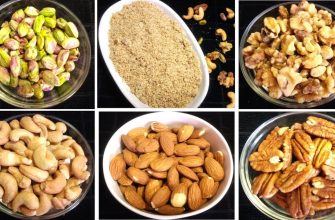
France is renowned for having some of the best tasting and highest quality nuts on earth. Not only are French nuts versatile in terms of culinary uses but their distinct flavor, natural sweetness, and crunchy texture make them the ideal choice in a wide array of recipes. In fact, France exports an impressive variety of varieties all over the world.
One of its most popular varieties is the Marcona almond which is native to Spain and has a particularly soft and creamy texture. Marcona almonds can be enjoyed both in sweet or savoury applications such as pesto, pasta sauces, and fillings for tarts or brioches. They can also be eaten out-of-the-shell as a healthy snack or used as decoration.
France’s walnuts are another sought-after nut variety due to their strong flavour and excellent nutritional properties. Compared to other walnut species worldwide, French walnuts feature harder shells with a milder taste that can be readily detected even when consumed raw. Moreover, these nuts have many essential fatty acids that protect against heart disease, diabetes, and certain cancers while providing generous amounts of vitamins E and B6 as well minerals such as phosphorus, manganese and zinc. Smaller chunks are perfect for adding crunchiness to salads while bigger pieces can accompany meat dishes perfectly!
The pistachio is another French nut staple that stands out with its bright green hue making it a visually appealing option whether used in whole form or chopped finely. Pistachios are loaded with numerous health benefits thanks to high levels off unsaturated fat that supports healthy cholesterol levels along with significant amounts vitamin E which helps fight free radicals caused by pollution or smoking among others aspects. Pistachios produce delicate creamy flavours and subtle aromas when added to cakes doughs pastry fillings even ice cream!
Finally hazelnuts are arguably one of the most popular members within The Europen family this particular nuthave an unmistakable aroma
Walnuts: Properties and Health Benefits
Walnuts are an incredibly nutritious and delicious type of tree nut with a flavor that is both sweet and savory. They have a rich, buttery texture that makes them ideal for use in baking and snacking. Walnuts come from the Juglans regia species of tree, which is native to Central Asia and India but now grown on several continents.
Walnuts are packed with essential nutrients, including healthy fats, antioxidants, various vitamins and minerals. They’re one of the best sources of plant-based omega-3 fatty acids found in nature, known to reduce inflammation and protect the heart. Walnuts also contain important compounds like vitamin E and flavonoids that act as powerful antioxidants to reduce oxidative stress within our bodies. Eating walnuts is an excellent way to get many of these nutrients into your diet without excessive added calories or sugars.
From a health perspective, walnuts provide many scientifically supported benefits based on their unique composition:
• Walnuts has been linked to lower risk for heart disease as well as improved cholesterol levels due at least in part to their high content of polyunsaturated fats such as alpha-linolenic acid (ALA)
• ALA helps fight inflammation throughout your body
• Walnuts contain natural plant compounds like phytosterols which block some absorption of dietary cholesterol in the gut preventing it from entering your bloodstream
• The specific combination of fiber, fat, protein, magnesium and other minerals found in walnut-based foods can help improve blood sugar control over time by helping slow down digestion as well as improve insulin sensitivity
• Research shows that consuming walnut-enriched diets can also be beneficial for weight management by helping you feel fuller longer thus reducing overall calorie intake throughout the day —meaning you eat less!
• Results from studies suggest that adding more nuts into your diet may assist with cognitive functioning including processing speed memory recall and overall mental alertness!
In conclusion
Hazelnuts: Nutrition Facts and Uses in French Cuisine
Hazelnuts are an incredibly rich and nutritious nut, highly valued in French cuisine. Native to Turkey and traditionally used in Middle Eastern cuisines, hazelnuts have become increasingly popular across the globe for their unmistakable flavor and nutritional value.
Nutritionally speaking, hazelnuts are drenched with beneficial compounds like Vitamin E, folate, vitamin B1 (thiamin), manganese, copper and phosphorus. Hazardous levels of omega-6 fats are absent given its predominant content omega-3 fatty acids! Their nutrient profile distinctively lends itself to a range of positive effects on heart health as well being beneficial to cognitive function.
In French cuisine they can be found in desserts such as croissants and gâteaux as toppings or fillings; candied nuts; cookes such as biscotti; tarts and pies; roast pork dishes accompanied by roasted hazelnuts for added crunchy texture; pralines filled with bits of roasted hazelnut pieces…the combinations available are endless! Hazelnut oil is widely preferred too due to its aromatic qualities in dressing salads or confectionery recipes. Clearly it would seem that Parisians cannot live without this nut…it is a versatile pantry favourite indeed!
In summary then we can ascertain that a handful of unsalted hazelnuts contributes very satisfactorily towards individual health goals due to their superior mineral content while also making a great addition to traditional French cuisine – proving just how diverse one ingredient can be!
Almonds: Origin, Cultivation, and Culinary Purposes
Almonds are believed to have originated in ancient Mesopotamia and Egypt. They were then spread to other parts of the world by traders and established itself as a major crop in regions including China, Greece, Italy, Persia, and Syria. Today, almonds remain one of the most popular fruits due to their wide array of culinary uses.
The almond tree is an evergreen shrub that can grow up to four meters tall in areas characterized by mild winter temperatures and lush vegetation, such as Central California. The nuts themselves grow in clusters on small branches, protected by a thin hull which houses a delicate shell around the nut within it. Almond trees require abundant sunshine for optimal cultivation; if grown with proper care the yield can go up to 1.2 metric tons per hectare.
The nuts harvested from almond trees are very versatile when it comes to edible purposes; both sweet and bitter varieties exists depending upon its use case. On one hand they are commonly eaten raw or lightly roasted as an appetizer before meals or simply just as a snack dish during tea time. In some regions additional flavors such as garlic might be added for extra flavor intensity.. On the other hand sweet almonds can be steeped in hot water extract dairy-like milk which is richer in proteins than regular cow milk alternatives; this beverage might also contain sugar for syrup-like textures much like beverages made from different grains and cereals . Sweet almonds also offer strong flavors when finely ground into smooth paste texture which is commonly utilized for baking various desserts from pies, cakes and delicacy pastries due to its distinct taste profile that combat better against baked goods’ sweetness levels compared against sugars alone . Bitter almonds contain hydrogen cyanide compounds so their consumption should always be monitored carefully due to their toxicity potential otherwise could become fatal if mishandled or consumed incorrectly; however once appropriately processed becomes one of the key flavorings used in creating liqueurs , perfumes etcetera alongside being essential component many cosmetic products such cre
Chestnuts: History, Growing Conditions and Traditional Recipes
Chestnuts have a long and rich history that is deeply rooted in many cultures across the globe. Native to numerous parts of Asia, Europe and North America, chestnuts have been an important part of human diets for centuries. They are packed full of essential vitamins and minerals, potentially making them one of the healthiest nuts on earth. In this blog post, we will explore the fascinating story behind these edible nuts as well as their traditional uses and growing conditions.
The nut first appeared during the Eocene period about 20 million years ago. It wasn’t until the Stone Age that humans first began consuming chestnuts as a major food source in Europe and nearby regions like Anatolia. For tribes living in those areas at the time, chestnuts were a staple in order to survive harsh winters when other food sources dried up completely or became scarce. By 500 AD Roman soldiers had already started trading this nourishing crop heavily throughout the Empire’s provinces. Across Asia, countries embraced different species of chestnut trees quickly due to its nut almost always tasting sweet compared to local grain staples like barley or sorghum which can be harder to digest when consumed in large quantities over extended periods of time.
Over time people found ways to take advantage of chestnut’s versatility by concocting recipes with them ranging from soups and porridge dishes made for special occasions to roasted versions served widely during festivals via vendors as street snacks – or simply boiled down into jams/jellies & sweet desserts everyone could enjoy!
chestnuts require quite particular climate conditions for successful cultivation. Also known as “the seven months’ nut” because they need seven months without frosty weather – they are best suited for temperate climates with hot summers & cool yet not-frozen winters allowing enough time (125–150 days) between flowering & harvesting; usually early September then stored until April/May — ensuring maximum nutrition value! Drainage also needs good access either naturally through valleys/lower fields/gr
Pine Nuts: Harvesting Techniques and Cooking Tips
Pine nuts, also known as pignolia or pinon nuts, are the edible seeds of pine trees. Native to North America, Europe and Asia, these tiny yet nutritious morsels are beloved for their delicate texture and rich flavor. Served as a snack in many cultures, pine nuts can be added to a variety of dishes including pestos, salads and even sweet treats. Learn more about harvesting techniques and cooking tips below!
Harvesting Techniques: Pine nut harvesting is a labor-intensive process that requires patience and skill due to the size and weight of the cones from which they come from. The cone must be collected during its maturation cycle when it falls from the tree generally at around late summer or early fall. To start this process one must climb the tree using rope harnesses for scaling heights safely. Then, open the fresh cones over a bag with gloves in order to avoid burs injuring your hands while shaking out all the wonderful pine nuts inside them into the bag. If done correctly you should have gathered yourself some beautiful golden deliciousness.
Cooking Tips: Pine nuts are versatile enough to use both raw or cooked depending on what recipe you’re making with them. For roasting pine nuts dark brown oven sheets work best and use moderation as they will easily burn due to their light color if left too long in there! A few minutes in light temperatures should do trick if perfection is desired here. Additionally, when preparing meals like pesto serve cold but don’t forget to mix semi-cooked ingredients alongside (such as freshly chopped basil) into food processor for optimal results in taste…and of course pairing it with lightly boiled pasta would turn this into an exquisite plate fit for kings consummation.


![Unlocking the Mystery of Black Gorilla Lug Nuts: A Story of Strength and Style [5 Essential Tips for Choosing the Best Lug Nuts]](https://baru-nuts.com/wp-content/uploads/2023/04/21-335x220.jpg)
![Rev Up Your Ride: The Ultimate Guide to Black Chrome Lug Nuts [Solve Your Wheel Woes with Expert Tips and Stats]](https://baru-nuts.com/wp-content/uploads/2023/04/22-335x220.webp)
![Binky Goes Nuts: A Tale of a Mischievous Pet and How to Keep Them Calm [Expert Tips and Stats]](https://baru-nuts.com/wp-content/uploads/2023/04/23-335x220.jpg)