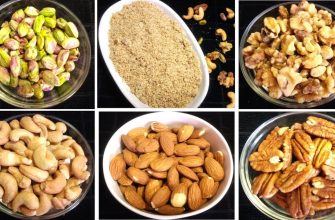

Introduction to the Nutritional Benefits of African Nuts
Nuts are a nutritious and delicious snack that can be found in many cultures and countries around the world. In Africa, various types of nuts have been used for centuries as a source of dietary nutrition. From iconic items like macadamias to lesser known but equally nutritional nuts like pili nuts, the African continent is home to an impressive variety of edibles that offer beneficial nutritional value. In this article, we’ll explore why African nuts should be included in your diet, as well as some tips on how you can enjoy them.
African almonds, also called wild honey cashews or groundnuts, are widely available throughout the continent and one of the most popular snacks in Africa. Rich in healthy fats like oleic acid and monounsaturated fat, these protein-packed treats also serve up ample doses of magnesium and zinc—minerals crucial for muscle strength and endurance. Studies have even linked consumption of raw almonds with other health benefits such as lowered cholesterol levels and reduced risk of heart disease deaths! Additionally, almond consumption has been associated with improved cognitive function. What better way to get a health boost than snacking on some yummy African almonds!
Pili nut trees, native to East African regions like Tanzania and Malawi, have gained popularity over recent years due to their subtle flavor and many health benefits. While their rich content of Omega-3 fatty acids is often touted as valuable for brain health as well as bone strengthening purposes, research shows that these tasty morsels may also help protect people from cancer risk factors such as radiation-induced DNA damage! They are also packed with potassium for cardiovascular health along with fiber for digestive optimization which makes them a great addition to any diet no matter what your goals may be—just make sure not to overeat pili nuts since they pack plenty of calories per handful!
For those looking for something sweet yet still low calorie there’s the beloved macadamia nut – indigenous to parts of southern Africa including Zimbabwe and Mozambique whilst they can now be found growing across several continents outside their motherland too! Boasting high content levels of vitamins B1 & 6 along with minerals such as magnesium & calcium; these delicious treats offer impressive nutritive support which gives us another reason besides taste why they should never be overlooked when searching for snacks on the go or at home! Macadamia nuts are known to help reduce cholesterol levels too making them a must-have treat in our kitchen pantries!
Whether you’re looking for occasional indulgence or essential nutrient availability from common snacks; African secrets ensure you find sweetness & sustenance so look no further than empowering yourself through diverse choices originating from beyond our world’s borders! Nuts from Africa form integral parts in stories shared worldwide so it’s important we preserve its legacy both historically & gastronomically – which is easy once you know about this remarkable resource just waiting out there for grabbing!!
Types of African Nuts and Their Nutritional Values
Nuts are an essential part of African cuisine and culture and a significant source of nutrition for many. Different types of nuts grow in Africa, and each provides unique nutritional values. We’ll explore some common African nuts, including macadamias, cashews, pecans, peanuts, hazelnuts, and almonds.
Macadamia Nuts: Macadamia nuts are native to southeastern Australia but have become naturalized to parts of Africa. These tasty treats may be small but pack big nutritional benefits. They contain a good amount of healthy monounsaturated fats which have been linked to positive health effects on heart health. Macadamias also contain thiamin (vitamin B1), riboflavin (vitamin B2), niacin, vitamin E, folate and magnesium – all helping promote better energy production and cellular function within the body.
Cashew Nuts: Cashew nuts are native to Brazil, but are very popular throughout Africa. A powerful combination of essential vitamins and minerals make these nutty delights nutritionally superior . Cashews offer more than 5g protein per serving as well as important dietary minerals such as copper , inflammation-fighting magnesium , phosphorus for bone-building , zinc for immune system support along with antioxidant rich selenium that helps protect cells from damage caused by free radicals.
Pecans: Pecan trees were brought over to parts of Sub-Saharan Africa in the 1800s, originating from North America originally through Spanish missionaries before they spread throughout the continent like wildfire! These tasty treats provide a great combination of energy-packed carbohydrates alongside healthy fats making them highly nutritious. Pecans also contain Cinnamic acid – which has anti-cancer properties – plus fiber; the perfect accompaniment with any meal or snack situation you can think up!
Peanuts: Found in many African soils, peanuts have been cultivated on this continent since ancient times and continue being a firm staple today amongst households due to their affordability and versatility across an array cuisines alike.. While traditionally thought as high in only fat content; these legumes offer vitamin A – supporting eye health & wound healings – plus vitamin E – reviving skin elasticity – iron for maintaining system immunity levels & folic acid for promoting red blood cell development throughout the body just to name but a few highly recommendable nutritive benefits here !
Hazelnuts: Hazelnuts is another type of nut found throughout much of southern Africa thanks to its naturally growing locations along coastlines richly equipped with fertile soils specifically designed this woody shrub well indeed!. Hazelnuts provide plenty iron systems rechargeing energy whilst packing potent amounts dietary fibre; ideal regulating intestinal movements essentials will help maintain one’s overall wellbeing too further enhance your diet routine!. What’s more vitamins E & K found here acids strengthen bones tissues keep looking younger fine over length time included together please thank!!
Almonds: Almonds belong firmly rooted centuries long agricultural cultures Middle East eventually finding way towards Africs nonetheless long after other varieties already done so!. This particular treecrop supports magnificent variety beneficial compounds ranging antioxidents preventing related illness heart ratio vitamin B complex similar ones listed above too support fighting diseases name just jiffy really go far its pounce yes we most assuredly did !!
No matter which type you choose —or combination thereof— you’re sure to get top quality nutrition from any African nut! It’s no wonder they remain such integral components within diets across this amazing continent at large still nowadays where embracing traditional methods ingredients foremost priority matters food lovers alike curious find out yet sometimes take courage do that ooh wait did say face fright prove mind fast enough?, Haha silly me usually! 🙂
How To Eat African Nuts for Maximum Nutrition and Tastiness
African nuts are not only delicious, they are also incredibly nutritious. Eating them in the right way is key to unlocking their full potential. Here’s how to get the most out of these tasty powerhouse snacks:
1.Choose the Right Nuts: Different African nuts offer different nutritional benefits, so it pays to select the varieties you prefer, depending on what your needs are and how you plan to use them. Groundnuts are packed with protein, potassium, and Vitamin B6; cashews contain antioxidants and may help reduce inflammation; baobab has a high content of calcium for strong bones; kola nut is said to support healthy glucose levels.
2. Know How to Eat Them: African nuts can be enjoyed on their own as a snack or added to dishes for crunchy texture and flavour enhancement. For a great snack option, lightly toast your preferred variety (although some feel this reduces their nutritional value) and enjoy them warm with some Himalayan sea salt or other organic seasoning sprinkled over top.
3. Be Mindful of Serving Size: A handful of African nuts is enough provide maximum nutrition while still satisfying your appetite – an average portion being around 20–30 g per day (approximately one ounce). But since many types contain high quantities of fat it’s important not go overboard and consume too much at once; remember that more doesn’t always mean better!
4. Store Properly When Not In Use: If you have purchased a large quantity of African nuts that you don’t anticipate using up within two weeks store them properly in an airtight container in a cool place such as your refrigerator or pantry – this will ensure they remain fresh whilst maximizing their nutrient values.
For an even longer shelf-life freezers are an excellent option but should be avoided if you wish retain full flavor as freezing depletes flavor over time..
5. Get Creative With Recipes: The amazing versatility of African nuts make them perfect for adding nutrient-rich goodness into various recipes from breakfast bowls through to salads, stir fry’s and desserts! Don’t just limit yourself by baking pre-made treats containing these nutritional powerhouses – look into alternative ways like using raw cashew butter in energy balls or making almond milk from ground almonds – there are so many exciting possibilities!
Not only do African nuts taste delicious when prepared correctly but they undoubtedly deliver numerous health benefits too – making them excellent additions for anyone looking for more wholesome sources of plant-based protein in their diet without sacrificing on flavour!
Risks of Consuming Too Many African Nuts
African nuts are popular for their distinctive and often delicious flavor, making them a favorite snack among many people. However, while the occasional African nut can be a healthful part of any diet, consuming too many African nuts on a regular basis may pose some risks to your overall health. Here is an overview of some of the potential risks that could be associated with overconsumption of African nuts.
One potential risk associated with consuming too many African nuts is weight gain. While they are low in calories and contain healthy fats, they are also high in fat content. Regularly consuming more than recommended amounts of these nuts can lead to an increased calorie intake and ultimately weight gain. Additionally, because these nuts are high in fats, excessive consumption may increase the amount of cholesterol in your body as well, resulting in increased risk for heart related diseases such as heart attack or stroke.
Another important risk that you should consider when it comes to eating African nuts is digestive problems. Many cultures have used forms of traditional medicine containing African nut oils or extracts to effectively help with various digestive issues such as indigestion or constipation. However, eating too much of these foods may lead to diarrhea due to their high fiber content which can further aggravate existing digestive troubles. Finally, individuals with allergies such as peanut allergies should exercise caution when consuming any type of nut-based food product including those made from ingredients native to Africa. This is because there could potentially be cross-contamination between products and different kinds of allergies could arise even if accidentally consumed only trace amounts on certain varieties ogf African ingredients found in this type of food concoctions
FAQs About Eating African Nuts
Q: What health benefits will I get from eating African nuts?
A: Eating African nuts can provide a number of dietary benefits. Nut consumption has long been linked to improved heart health and higher intake of vitamins, minerals, protein and anti-inflammatory compounds. The types of nuts found in Africa vary, but some of the most common varieties are macadamia, cashew and pecan. Each type offers its own unique nutritional profile; however they all contain omega 3 fatty acids which boost brain function and help reduce cholesterol levels. Other potential benefits include reducing inflammation, promoting healthy hair growth, improving cognitive performance and aiding in weight loss.
Q: How many African nuts should I eat in a day?
A: It’s difficult to give a definitive answer as it depends on individual dietary needs and goals. According to the American Heart Association guidelines for nut consumption are that people should aim for four servings each week – with one serving being one ounce (about one handful). However, this recommended amount could change depending on factors such as age, gender and overall health status so always check with your doctor prior to beginning any new dietary regimen.
Q: Are there any safety concerns with eating African nuts?
A: Allergic reactions are possible when consuming any food item so make sure you know what ingredients are included in your product before consumption. Additionally certain types of nut may contain toxins or pests that could be harmful if ingested which is why it’s important to only buy high quality products from trusted sources when purchasing African nuts or other food items.
Top 5 Facts About the Nutritional Benefits of African Nuts
Nuts are not only a delicious snack but they are also incredibly nutritious. The Africa continent is home to some of the world’s most renowned nuts, and we’d like to share with you top 5 facts about their nutritional benefits:
1. High Levels of Minerals – African Nuts such as macadamia, almond and cashew are high in minerals such as magnesium, phosphorus and zinc. These minerals play an important role in your body’s metabolism, so consuming these nuts can help to support your overall health.
2. Rich Fiber Content – African nuts are also filled with dietary fiber which helps to promote digestive health and keep you feeling full for an extended period of time; great for dieters who want to reduce cravings for sweet snacks!
3. High in Protein – Higher than other types of nuts, african varieties have a higher protein content per serving which can help build muscle mass while reducing fat stores. This makes them perfect snack food before or after workouts.
4. Low Total Fat Content – Unlike other types of nuts that contain large amounts saturated fats and trans-fats, African varieties usually contain very little saturated fat per serving yet still retain the same level of nutrient density making them a healthier choice when craving a nutty treat!
5. Loaded with Essential Vitamins & Nutrients – Not only do African Nuts contain many essential vitamins found in other tree-nuts such as Vitamin E and B6 but it has been claimed that these African varieties include more antioxidants than conventional peanut species which can work wonders against slowing down cell damage caused by oxidative stress from our everyday life habits such as poor nourishment or lack of sleep/exercise.
Whether you’re looking for a healthy snack option or just trying to incorporate some new items into your diet plan, make sure you give African Nuts consideration when selecting your next nutty treat – packed full with nutrition benefits you won’t regret it!


![Unlocking the Mystery of Black Gorilla Lug Nuts: A Story of Strength and Style [5 Essential Tips for Choosing the Best Lug Nuts]](https://baru-nuts.com/wp-content/uploads/2023/04/21-335x220.jpg)
![Rev Up Your Ride: The Ultimate Guide to Black Chrome Lug Nuts [Solve Your Wheel Woes with Expert Tips and Stats]](https://baru-nuts.com/wp-content/uploads/2023/04/22-335x220.webp)
![Binky Goes Nuts: A Tale of a Mischievous Pet and How to Keep Them Calm [Expert Tips and Stats]](https://baru-nuts.com/wp-content/uploads/2023/04/23-335x220.jpg)