
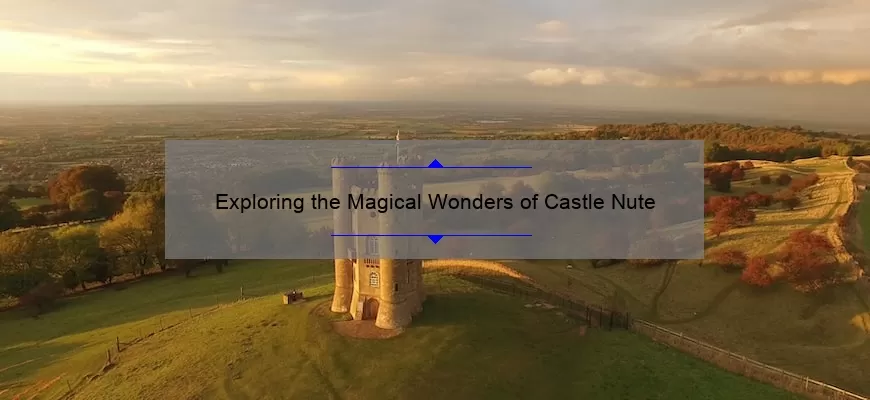
Introduction to Castle Nute: Its Ancient Structures and History
Welcome to Castle Nute, a magnificent architectural masterpiece and an integral part of our living history. Located on the outskirts of Paris, this castle has been standing tall since its construction in the early 12th century. It is well-known for its astounding blend of medieval and Renaissance influences that make it one of the most unique attractions in the French countryside. Since its conception, the fortification has seen multiple changes, yet continues to remain a wonder of architecture throughout centuries.
Castle Nute representa a crucial piece of France’s long heritage and provides students with a fascinating glimpse into ancient history and culture. The walls are comprised from imposing grey stone that date back to 1212 AD-the same year construction began on William Marshal��s legendary mammoth castle at Chepstow in England. Meanwhile, Castle Nute’s ornamental decorations combine elements from different styles such as Gothic and Neoclassical influences during the late sixteenth century. This range in aesthetics gives visitors a taste for how stylistic preferences have changed over time, as well as their overall influence on architecture throughout different civilizations over the ages!
What really makes Castle Nute stand out are three observation towers situated on each corner; two tall square shaped towers flank a larger four sided tower centered between them both! Each tower boasts stone details like arrow loops (apertures allowing marksmen such accurate shooting) flanking copious amounts of balconies that protrude outward just enough to give onlookers an adequate view down below! Additionally embedded inside the stones walls is an assortment of gargoyles strategically placed atop spandrels – adding even more visual appeal and charm to this colossal image!
As you can imagine due it’s aged design and functionality it’s very easyto decipher how this place served as vantage point for military attention for many years ahead before everyone could see what lies beyond those iron gates! During your visit today you’ll find stunning gardens sprawling around expansive courty
The Legends of Castle Nute: What Stories Have Been Passed Down?
The legends of Castle Nute have been passed down through the generations by word of mouth, creating a rich tapestry of stories to enthrall and intrigue. From tales of battles against supernatural foes to perilous encounters with wild beasts and duels for honour, these mythical adventures have kept the people of Castle Nute entertained for centuries.
The most popular legend is that of Count Vladin, a vengeful noble who fell in love with a beautiful peasant girl he only glimpsed while riding through the village one day. After being spurned by her family because of his status, Vladin swore revenge and returned years later as an immortal vampire with powers beyond imagination. Tales tell how during each full moon he would wreak havoc upon the nearby townsfolk in his ghoulish form before returning to his castle at sunrise. To this day many of the locals still hide away when night falls on the days leading up to a full moon!
The region was also home to several famous knights – some even claiming to be descended from King Arthur himself! This noble order had many bold deeds attributed to them – defending innocent villagers from raiders, rescuing lost children from wicked witches and defeating all manner of powerful creatures that threatened the kingdom. One particularly renowned knight was Sir Eadric who was said to fight with such skill that it enchanted all who bore witness – earning him great renown throughout Europe.
But for every hero there must be a villain and even infamous outlaws like Robber Bob were known throughout these lands. Popular tales expanded on how Robber Bob often outwitted law enforcement time and time again while taking what wealth he could find during each daring escapade! He is often seen as a sort of Robin Hood figure among certain communities – introducing certain elements into their folklore which continue on even today through retellings by bards or parents telling stories by candlelight late into night.
And then there is Magnus the Giant – possibly one of the strongest men
The Architecture of Castle Nute: Examining its Design Through the Ages
Castle Nute has been around for centuries and stands as one of the most beloved architectural feats of its time. From its outermost walls to its sprawling balconies, every detail commands a presence that can’t be denied. This makes it an ideal subject to examine how design has changed through the ages.
The very first structures on the grounds – tilling pits and wooden structures – are evidence of the castle’s earliest days in Northern Europe. These modest dwellings, surrounded by defensive walls, signal the period when castle Nute was ruled by kings who saw military strength as paramount and built what is now known as a motte-and-bailey structure. The motte was made up of earthworks and wood stakes to form a wall, while smaller baileys contained subdivisions that provided additional protection from attack.
But it wasn’t until much later in Castle Nute’s history that stone fortifications were adopted for both aesthetic purposes and defense. The Thin Tower dates back to the reign of King Valiant – nearly 300 years ago – when construction was undertaken in an effort to update the existing stronghold with more artistic features like snaking staircases and crenelations (notches along shafts). It’s rumored that he also may have dabbled in dark magic after taking residence there, but there’s no proof to support this claim!
As centuries passed, so too did new forms of architecture enter into Castle Nute’s design portfolio: notably Gothic Revival architecture in the 19th century. Henry VIII was one ruler who took interest in incorporating gothic-style windows, turrets and arches into his fortress’ interiors as it sought to symbolize power but maintain practicality – a combination of high fashion mixed with functional castlescape decorum players still replicate today using themes found throughout books such as Game Of Thrones! With added spiral stairways crafted out of iron or rickety old wooden plankettes – all enclosed within soaring parap
How to Explore Castle Nute Step by Step
Exploring a castle is a great way to take a step back into the past and understand how people lived in centuries gone by. Castle Nute, located in England, is an impressive example of medieval architecture, with its intricate courtyards, ornate staircases and distinctive fortifications. Visiting this castle can still be an awe-inspiring experience today—allowing you to get up close and personal with history.
Here’s how to explore Castle Nute step by step:
Step 1: Check out the Great Hall – Upon entering the castle grounds you will come across the majestic Great Hall which dates back to 1545. Formally used as the main public space for entertaining guests, it now silently provides insight into 16th century architecture and artistry. Take time to admire the grand fireplace which glistens in hues of pink and yellow marble; as well as studying the array of colorful stag portraits from royal family hunts that adorn its walls.
Step 2: Head up to the turrets – For panoramic views of England’s rolling countryside make your way up one of Castle Nute’s four turrets. The Elizabethan turrets were originally built for protection but offer visitors dazzling views from atop their simple yet picturesque structures; making them a must-visit during your exploration!
Step 3: Discover hidden chambers – Castles are famous for their secret doorways that lead off into unknown chambers—and so does Castle Nute! See if you can find these hidden doorways tucked away in corners or shielded behind curtains as they are sure to lead you off into exciting surprise encounters such as underground larders stuffed full with vintage wines and dusty libraries heaving with historical books dating back centuries ago!
Step 4: Visit Fort Nute – Allow yourself ample time at Fort Nute in order to fully appreciate this important part of Castle Nute history—which was responsible for defending many generations against
FAQs About Exploring Castle Nute
Q: What is Castle Nute?
A: Castle Nute is a sprawling castle in the middle of the English countryside, built over 700 years ago. The castle has been open to the public for exploration since 1987, and it’s a great destination for those who want to explore its secrets and history.
Q: How do I get to Castle Nute?
A: The easiest way to get to Castle Nute is by car or bus. You can find detailed directions on our website at https://www.castlenutetours.com/directions/. A number of shuttle services also offer transportation between major towns and villages near the castle, so you can check them out as well!
Q: Does the Castle have guided tours?
A: Yes! All visitors are welcome to join our daily tours throughout the castle, led by expert guides who will tell you all about its secrets and stories from centuries past. You can book your tickets online at https://www.castlenutetours.com/book-tour/.
Q: Are there any restrictions for visitors?
A: Yes – visitors must abide by certain rules when it comes to exploring the interior of Castle Nute. We ask that no explorers enter without permission, no one touch or take anything away from the premises without prior agreement, no photography is allowed in certain areas and children should be accompanied by an adult during their stay at all times. For more detailed information about exploring technique tips, please visit our website at https://www.castlenutetours.com/explore/.
Top 5 Facts About the Rich History of Castle Nute
1. Castle Nute’s foundation is believed to be of medieval origins, dating back to around 900 AD. The castle was built by a Welsh prince who named it after himself. Throughout the centuries, it has changed hands numerous times and served as a stronghold for invaders and defenders alike.
2. In 1405, during the War of the Roses, Castle Nute was besieged by forces loyal to King Henry VI before ultimately falling into enemy possession six months later. This marked a new era of ownership for the castle, which has since been occupied by various English monarchs until its current ownership today.
3. In 1645, Oliver Cromwell occupied the castle during what became known as English Civil War and even ordered that parts of it were destroyed in order to impede enemy advances on Cambridge city centre below.
4. After being partially destroyed in 1690 during another war – this time against France – Castle Nute went through several periods of refurbishment over the following centuries before finally being restored in 1780 by famous landscape architect Sir John Summerson who is often credited with transforming the grounds into much-admired gardens that can still be seen today.
5. Today, Castle Nute stands proud as an important piece of British history and remains a popular tourist attraction on account of its remarkable grounds which have become renowned for their many plants and impressive vistas across Merseyside hillsides all year round as well as variety events held throughout summer months such as open-air concerts or falconry displays!


![Unlocking the Mystery of Black Gorilla Lug Nuts: A Story of Strength and Style [5 Essential Tips for Choosing the Best Lug Nuts]](https://baru-nuts.com/wp-content/uploads/2023/04/21-335x220.jpg)
![Rev Up Your Ride: The Ultimate Guide to Black Chrome Lug Nuts [Solve Your Wheel Woes with Expert Tips and Stats]](https://baru-nuts.com/wp-content/uploads/2023/04/22-335x220.webp)
![Binky Goes Nuts: A Tale of a Mischievous Pet and How to Keep Them Calm [Expert Tips and Stats]](https://baru-nuts.com/wp-content/uploads/2023/04/23-335x220.jpg)